
Case studies

The work behind the practice.

These examples show how I approach reporting, ownership, and AI operations, drawing on my corporate leadership career and the operating system I built for CP Product Advisory. They are not presented as CP client engagements.

Layered translucent architectural platforms stacked across a wide horizon, representing cross-market product leadership
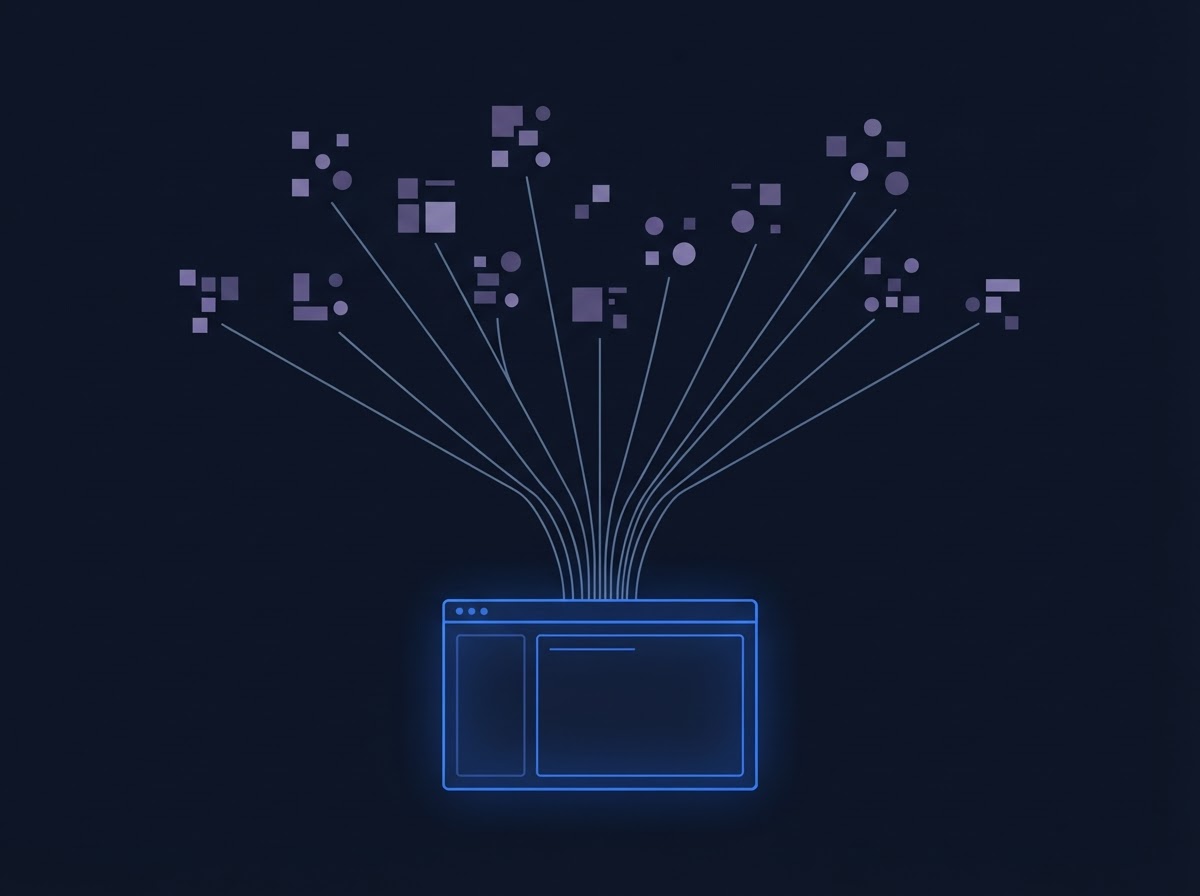
Fragmented reporting sources funneling into one unified operating view

Case 1 · Corporate-career experience

From Data Chaos to Confident Decisions: Bringing 45 Disconnected Systems into One Operating View

Merkle · Marketing intelligence

Different teams answered the same performance question with different numbers, computed from 45 distinct sources. I mapped integrations and established a unified data taxonomy, architecture, and governance model across 140 markets.

95% of $600M media investment unifiedDecision time reduced 40%140 markets · 67+ stakeholders

Decision shift: 45 answers → 1 trusted source
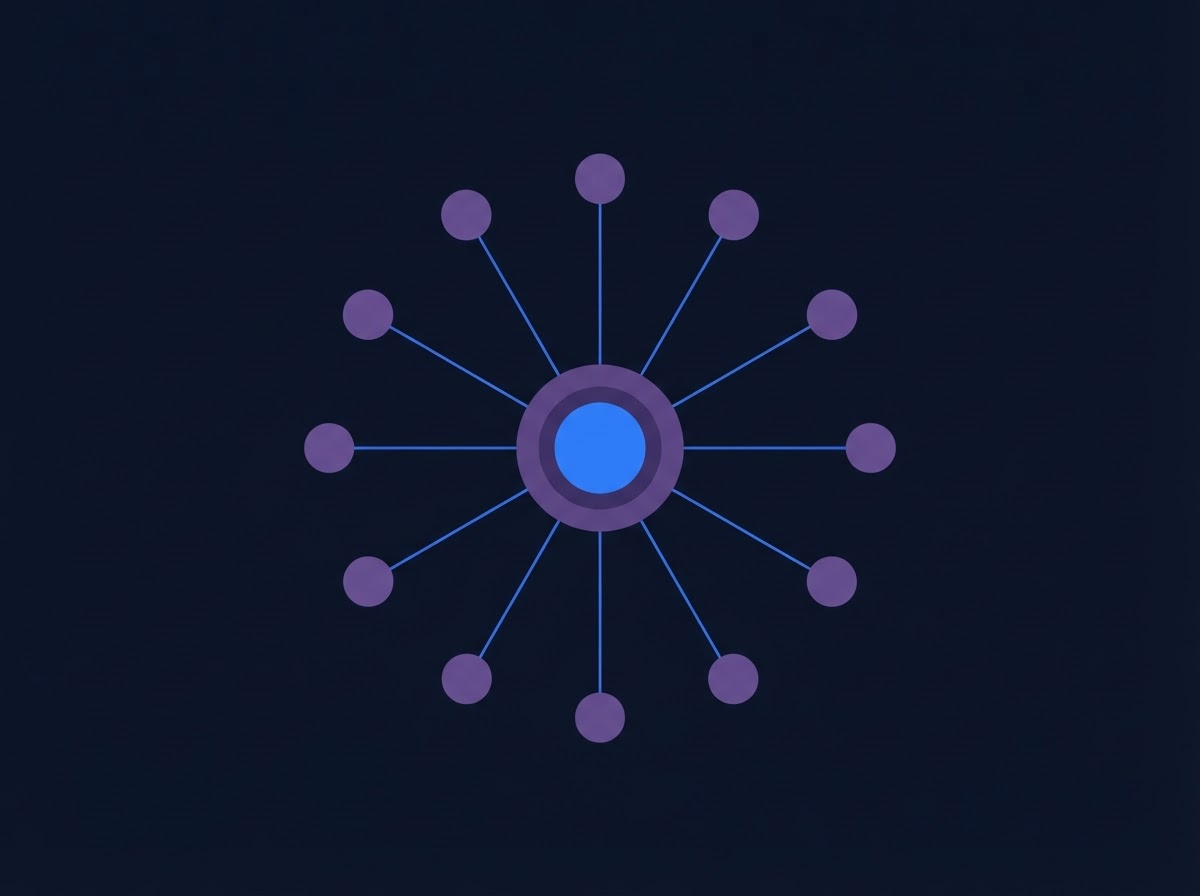
A global AI and data portfolio with related capabilities connected to a central node

Case 2 · Corporate-career experience

Scaling AI Products With Clear Decision Boundaries for Privacy and Risk

Dentsu · AI product leadership

Thirteen AI products were bottlenecked between legal review and launch across 100+ markets. I replaced the 13-times repetitive review with three upstream frameworks: regulatory risk mapping, a privacy-by-design architectural pattern, and a go-to-market pattern library.

Leadership across a portfolio of 13 AI and data products$8M budget · 60+ engineers and leads

Decision shift: 13 review gates → 1 inherited decision

Several separate work streams flowing as smooth purple ribbons toward one shared central structure, with a quiet slate framework suggesting coordinated ownership and human oversight

Our business architecture

How I run my own business with clear ownership and human oversight.

Operator Control Plane · Built and used in Clint's practice

When several agents update the same work, records can disagree and responsibility becomes unclear. I built my operating system around a named owner for each task, defined permission to act, and separate checks on the result.

This example comes from my own practice, not a client engagement.

One accountable owner per task35 versioned skills on 1 registry51 active automationsAs of October 8, 2026

Decision shift: Choosing a model → Defining who is authorized to update the record

If these problems look familiar, let's examine what's happening in your business.