
About
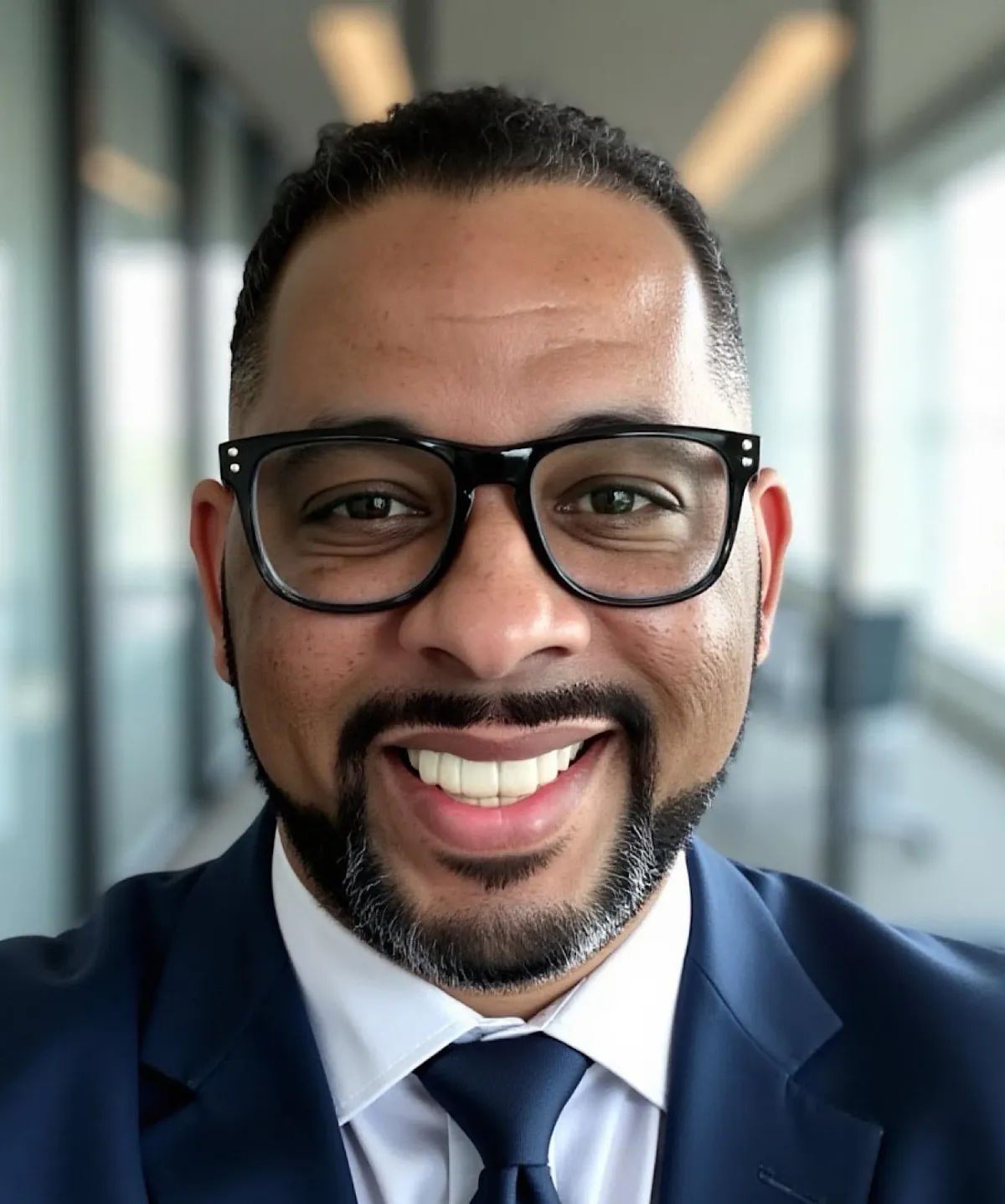
Meet Clint Pracher
Founder and Principal Advisor

Perspective
“Is there a better and easier way to do this?”
I'm Clint Pracher. I've always been the person asking that question.
I follow the process first. I want to understand how the work actually happens, where it slows down, what gets expensive, and why people keep getting pulled back into the same problems.
Then I look for the pattern underneath it.
Personal story
I could read music before I could read words.
When I was three, I would sit beside my dad on the piano bench and turn pages while he played. At first, he had to tell me when. After a few months, I could read his cues and follow where he was in the music without his help.
Eventually, he sat me down with a book of my own. He explained the staves and what the notes meant, and I worked through the book in about three weeks. I was four.
Music was a big part of my childhood. I played piano, saxophone, percussion, and bassoon, and I sang. I asked questions when I didn't understand something, but I was also learning to recognize patterns before I had the words to explain them.
In college, I studied music and economics. I wanted to keep my creative side alive while feeding my analytical side. Classical music and opera also introduced me to other languages. Learning how to read and understand different structures became something I enjoyed, whether that was a score, a language, or later, SQL, Python, and JavaScript.
I still play piano and sing with the Las Vegas Master Singers. Some of my favorite experiences have been performing Carmina Burana and Beethoven's Ninth Symphony. There are moments when you're singing, everyone comes together, and you get goosebumps. Sometimes you feel like you might cry.
I love that feeling. People from different backgrounds have worked toward something together, and you can hear it happening. You have to know your own part, but you also have to listen to everyone around you.
I recognize that feeling in my work, too. When people understand what they're responsible for, the process makes sense, and things start working the way they should, I get some of that same satisfaction.
That's how I approach a business, too. I follow the process first because I want to understand what people are doing and why. Then I look for where the work gets expensive, slows down, or asks too much of the people carrying it, and what we can change to make it work better.
Experience
The industries changed. The work underneath them didn't.
I've spent more than a decade building and leading products across enterprise platforms, marketing technology, media, and AI.
Across leadership roles at Advance Auto Parts, Caesars Entertainment, Dentsu, Merkle, and Business Insider, I led teams where digital operations and product capabilities had to scale with business growth.
I've repeatedly worked where the business grew faster than its systems, responsibilities, and ways of working could keep up.
Dentsu
Led global product management across an AI product portfolio.
Merkle
Architected a unified marketing intelligence platform supporting reporting across markets.
Business Insider
Helped stabilize data and analytics operations during growth.
At Merkle, my client work included Disney+, Disney Entertainment, and Hulu within the same engagement, as well as DIRECTV.
Across those environments, I kept finding the point where shipping more features stopped solving the problem. The business needed agreement on what the numbers meant, what deserved investment, and who owned the next decision.
The businesses came together. Their ways of working didn't.
I've worked where acquired businesses still used different reports, priorities, and responsibilities. Organic growth can create the same disconnect. That experience informs how I look at the decisions you are facing now.
Close to the people doing the work.
I've worked across finance, operations, sales, analytics, engineering, delivery, and product leadership. I've also worked behind the counter and alongside the people running day-to-day operations.
Understanding how work actually happens across those functions is how I distinguish the symptom someone reports from the constraint we need to solve. It keeps operating recommendations grounded in how teams actually deliver.
When systems and responsibilities match the way people work, decisions move forward instead of stalling.
Why the practice exists
The business should leave room for the work that matters.
I built CP Product Advisory so I could spend time with clients, move the business forward, and step away without constantly being in the weeds.
I've been a waiter. “In the weeds” meant being so buried in work that you couldn't serve your customers properly and needed help. I don't want that to become the permanent condition of a business.
Outside work, time outdoors, hiking, and time with my dog help me reset. Being an Eagle Scout and a musician are still part of who I am. The practice is designed to make room for that person, not consume him.
Working together
The engagement should fit the problem.
I advise when your team can carry the work forward. I take on a defined interim product leadership mandate when the business needs senior ownership. I also offer AI consulting, from diagnosing organizational adoption problems to focused setup, private consulting, and ongoing support.
We agree on the scope and responsibilities before starting.